Blogs
Building culture within a hybrid work model
11 months ago By Emily Harris

The Hybrid Work Model emerged after the pandemic first hit, where many employees were forced to work remotely for an extended period of time in order to adhere to COVID-19 restrictions. It’s important to note that in 2019, before COVID-19 was detected in Australia, about a third of the country’s working population was regularly working from home (Siebert,2020). By August 2021 as the impact of the Delta variant of the virus was in full effect across Australia, more than 40% of employed people were regularly working from home (Australian Bureau of Statistics, 2021). However, as restrictions begun to ease and employees were once again allowed to return to the office, many found that there were many aspects of working from home they enjoyed and consequently wanted to continue.
A recent global survey conducted by PwC found that only 10% of respondents wanted to return to a traditional work environment (100% of time spent in the office). PwC also found that in relation to Australia specifically, 74% of respondents wanted a mix of face-to-face and remote working of differing degrees (Goldstone & Narayanan, 2021). Enter the hybrid work model; a concept designed to provide the best of both worlds. A hybrid work model aims to blend virtual and in-person work arrangements. What this hybrid work model looks like, will depend on the individual organisation as they try to determine where employees want to be to do what tasks and consequently what physical and non-physical elements will be required to cater for this. For example, better technology or devices might be required for solo virtual work while more collaboration hubs might be required for the physical office.
Whatever balancing act/strategy the individual organisation decides to take, it’s imperative that it has been based on both qualitative and quantitative data; the feedback you get back from your employees through both surveys and general conversations as well as behavioural data that reveal how the physical office is being used. This data could be how many employees are swiping into the office and how frequently they are (every day, twice a week) or at what capacity an office’s meeting rooms are at – are they often full or remain empty for significant periods? Using this information will help companies determine what combination of practices (both remote and in-person) will work best for them.
How To Maintain Culture Within Hybrid Work Models
While there are some things that no one misses about working in an office (sitting in traffic on your commute to work would have to be top of the list) there have been many workers who have said remote work has meant a lack of spontaneous interaction and connection with colleagues, which they miss. Indeed, one of the biggest challenges – both when offices were working 100% remotely and now when a significant portion of employees will be working remotely at least one or two days a week – has been how organisations can maintain their workplace culture and cultivate a sense of belonging for their employees.
Psychological research has consistently shown that when employees feel they belong to a team or organisation – in the sense that it aligns with their values and allows them to feel comfortable being themselves – they will not only tend to perform better, but also experience higher levels of engagement and well-being (Berg & Chamorro – Premuzic, 2021).
Consequently, it’s in a company’s best interest to cultivate and maintain a workplace culture where each employee feels valued and included, however this is much more of a challenge in an environment where organisations are relying on video calls and screen activities to stay connected with their remote colleagues. Considering remote work is here to stay, many organisations are now exploring the strategies they can employ to overcome the issues around fostering and maintaining workplace culture within a hybrid work model. According to a recent article by Human Resources Director (HRD) there are five key pillars companies should focus on to foster culture: Trust, Expectations, Accountability, Accessibility and Community.
Pillar 1: Trust
Trust – a value very close to Design & Build’s heart. According to Scott Stein, author of Leadership Hacks, it’s easy to trust a colleague when you can see them working right next to you in the office. However, when everyone is working remotely the trust between colleagues or within teams can start to break down. Trust is instrumental to productivity within a working environment, as without it, people stop working collaboratively and communication falters (White, 2022). Making ‘trust’ a priority within your company will enable staff to feel comfortable to speak openly and share honest feedback with each other – and when people are proactive at sharing information like this consistently, it builds trusting relationships. Indeed, in Design & Build’s own workplace, our biggest priority is to build trust with our key stakeholders (our clients, our candidates and of course, our colleagues). We know that if we’ve fostered an environment where our colleagues trust each other and have trust in the company overall – to not only do the right thing by them, but other TDP stakeholders – they’ll be more engaged at work.
How can you foster trust? For our organisation trust is built when we provide honest feedback and communication, show care to those around us and focus on the interests of our stakeholders. From a remote perspective, honest feedback and communication can still be cultivated through a number of online IM and video tools like Microsoft Teams, Slack and Zoom. It might also be worthwhile to schedule regular check-ins, and if you’re in a senior role ensure these check-ins are maintained even if there aren’t too many things to update the team on. Having the routine in place-even if it’s just for five minutes – ensures people feel a connection to one another. Another suggestion to help foster trust within teams is to ensure feedback is being regularly provided to all team members. It’s important not to assume that everyone in the team will know about an update or the great work an individual is doing purely because they are in the same team or the same office. Especially because people will be working remotely at different times, the key way colleagues can find out is through virtual communication. Shining a spotlight on particular achievements or milestones made, means everybody can feel good about everybody else’s work, identify resources and support each other. Individual members of the team will have faith in the competence and hard work of their fellow team members, which fosters a trusting environment (Cooks-Campbell, 2022).
Pillar 2: Expectations
Expectations also play a big factor in remote working. The challenge with expectations is that they can differ slightly depending on the individual, and determining what a team member’s expectations are can be even more challenging when communication is done virtually. Unfortunately, teleconferencing doesn’t always pick up on the nuances of an individual.
Consequently, it becomes increasingly important for managers and those in leadership positions to clearly state and clarify expectations and targets, as otherwise staff won’t know what is expected of them. To ensure that everyone knows what is expected of them – in regards to working hours, start times, attending meetings, when people are working from home and communicating/updating team members – managers and those in leadership positions will have to think carefully about how they can effectively communicate these expectations. Otherwise, these same managers can risk falling into the pattern of constantly asking people for updates and coming across as micromanaging. To avoid this, a common strategy is to have your team work together to create a working agreement – where everyone contributes to a list of expectations (for example team members will check in at 9:00am daily, or all team members are required onsite for their monthly team building session) that is then written up and sent to everyone, so all team members clearly know where they stand, even when working remotely.
An emerging trend in hybrid work models, and one that helps to manage expectations is asynchronous communication – where teams communicate with one another without the expectation of needing to respond immediately. Asynchronous communication negates the need to ‘always be on’ which can be a risk for those working at home. Rather, team members will be given all the information they need to complete a task by a certain deadline. Managers can encourage teams to send daily or weekly updates on these tasks, so everyone can be transparent in what they’re working on day-to-day, but ensure that the pressure is off for people to respond to or provide status updates 24/7 (Kim, 2022). Having asynchronous communication in place also demonstrates that managers are instilling trust in their team to get their work done when outside of the office.
Pillar 3: Accountability
This pillar is fairly straightforward – ensuring everyone within a team/the office has a designated role and that every task has been allocated and accounted for. It is when there is a crossover with responsibilities or a brief is unclear that confusion occurs and overall productivity is halted. A hybrid and remote workplace can make accountability more challenging as it can become difficult to see who is completing which tasks and who to go to for other accountable tasks. Accountability actually becomes important for overall workplace culture as when people are held accountable they deliver results because they don’t want to let others in their team down. They also hold others responsible for their actions in a supportive way and often work together to develop solutions for problems, regardless of their title or position (White, 2022). Creating accountability can be as easy as having regular catch- up sessions with the team regarding particular projects and even regular performance catch-ups with individual employees so they are clear on their responsibilities, KPIs and how these relate to the wider team and company.
Pillar 4: Accessibility
How much access employees have to other employees – especially when working remotely – becomes a balancing act. Working remotely takes away the ability to have casual conversations with individuals on an ad hoc basis like you would if your colleagues are in the same physical office as you. On the flipside, some employers might think that they have greater access to their employees when working remotely and will start calling/emailing you at any time of the day or night. This isn’t an ideal scenario either.
The advantage when working in an office is that you can easily see when a fellow colleague is accessible or not – if they’re not at their desk or you see them having lunch or in a meeting room you know they’re not available and ultimately will wait for a better time to ask them something. This, is of course harder to determine when working within a hybrid work model and trying to contact a colleague who is working remotely. Consequently, accessibility needs to be clarified. Many teams have guidelines in place about contact hours – some email signatures even have their contact hours included – which say something like “although I am sending this email outside of office hours I do not expect a response outside of the hours 9:00am to 5:00pm”. These guidelines can differ from team to team, as long as everyone agrees on them and clearly understands them.
In regards to accessibility, it’s also imperative that those in leadership roles lead by example – that they don’t send emails or ask for things outside of work hours and make a big show of ‘logging off’ on time. This ensures team members don’t feel pressured to stay online 24/7 or get back to requests straight away no matter what and promotes a culture that values wellbeing and balance.
Pillar 5: Community
The final pillar for fostering a positive workplace culture in hybrid working models (and potentially the most important) is creating a community. When you take out the daily interactions employees have with each other over five days a week in the office, you basically have strangers interacting.
To make sure that colleagues still feel connected with one another and part of a ‘team’ even when working remotely, a company needs to work hard to schedule regular interactions between their employees no matter if these interactions are physical or virtual. This can be achieved in a number of ways – over the last two years many organisations have started to schedule virtual social events as well as in-person events (online trivia or virtual workshops which include break out rooms where colleagues get the chance to chat to each other). Many organisations have also created employee resource groups – spaces for employees from underrepresented backgrounds to connect with one another. Encouraging these spaces give employees a place to talk and share their experiences openly. They also reinforce a company’s commitment to diversity and are invaluable in creating a culture of belonging (Cooks-Campbell, 2022).
- - -
Ultimately, these pillars can be built into the culture of any organisation, through increasing employee’s awareness of each pillar and ensuring that the organisation’s leaders are communicating and clarifying how important they are overall. Sometimes focusing on these individual pillars rather than workplace culture overall, can make improving workplace culture more achievable, especially for organisations embarking on a hybrid work model.
- - -
[1] Siebert, B. (2020). Coronavirus Has Forced Australians To Work From Home, But What Are The Impacts On CBDs?. ABC News. Retrieved from:
https://www.abc.net.au/news/2020-08-18/coronavirus-working-from-home-impact-on-australian-cities/12435248
[2 ] Australian Bureau of Statistics. (2021). More Than 40 Per Cent Of Australians Worked From Home. Australian Bureau of Statistics. Retrieved from:
https://www.abs.gov.au/media-centre/media-releases/more-40-cent-australians-worked-home
[3] Goldstone & Narayanan. (2021). Rewriting The Future Of Work With Hybrid Workplaces. PwC Australia. Retrieved from:
https://www.pwc.com.au/digitalpulse/report-future-of-work-hybrid-working.html
[4] Berg & Chamorro-Premuzic. (2021). Fostering A Culture Of Belonging In The Hybrid Workplace. Harvard Business Review. Retrieved from:
https://hbr.org/2021/08/fostering-a-culture-of-belonging-in-the-hybrid-workplace
[5] White, L. (2022). How To Build Cultural Pillars For A Successful Hybrid Workforce. Human Resources Director (HRD). Retrieved from:
https://www.hcamag.com/au/specialisation/employment-law/how-to-build-cultural-pillars-for-a-successful-hybrid-workforce/41158 1
[6] Cooks-Campbell, A. (2022). The New Hybrid Culture You Need And How To Build It. BetterUp. Retrieved from:
https://www.betterup.com/blog/hybrid-culture
[7] Kim, P. (2022). Why Great Culture Is Essential For A Hybrid Workplace. Wrike. Retrieved from:
https://www.wrike.com/blog/great-culture-essential-for-hybrid-workplace/

A great technology job description does more than list responsibilities and technical requirements. It helps the right candidates understand the opportunity, see where their skills fit and decide whether the role is worth pursuing. In a competitive technology talent market, getting your job description right can make a significant difference to the quality of candidates you attract and how quickly you fill the role. Here are seven things every technology job description should include. 1. Start with the problem you're hiring someone to solve One of the most common mistakes in technology job descriptions is focusing too heavily on tasks and responsibilities. Instead, start with the business problem. What has created the need for this role? Is the organisation implementing a new platform? Scaling its cloud environment? Modernising legacy systems? Improving data capability? Delivering a transformation program? Candidates want to understand what they will actually be responsible for achieving. Instead of: "Responsible for developing and maintaining applications." Try: "You'll help modernise our core applications as part of a broader digital transformation program, working closely with product and engineering teams to improve scalability, performance and customer experience." The second version gives the candidate context, purpose and a clearer picture of the opportunity. 2. Separate must-have skills from nice-to-have skills Technology job descriptions can quickly become a wish list. Employers may ask for years of experience, multiple programming languages, several platforms, industry experience, specific certifications and a long list of tools...all for one role. The problem? Your ideal candidate may not exist. Before publishing the role, identify the capabilities that are genuinely essential to success. A more focused brief can open the talent pool without compromising the quality of your shortlist. Ask: What does this person need to be able to do from day one? Which technical skills are genuinely non-negotiable? Which skills could be developed once they join? Are we asking for experience with a specific tool when transferable experience would work? Would we reject an otherwise strong candidate because they don't meet one requirement? 3. Be specific about the technology environment Technology professionals want to know what they will actually be working with. Rather than simply saying "strong technical skills required", provide useful detail about the environment. Depending on the role, this could include: Technology stack Cloud environment Platforms and applications Programming languages Data architecture Development methodology DevOps practices Security environment Transformation projects underway You don't need to list every technology used across the organisation. Focus on the technologies that are relevant to the role and its objectives. 4. Explain what success looks like A strong technology job description should help a candidate understand what success looks like beyond simply completing their responsibilities. Consider including three or four outcomes for the first 6–12 months. For example: In your first six months, you will: Lead the migration of key workloads to the cloud Improve platform reliability and performance Establish improved monitoring and reporting Partner with internal stakeholders to define the next phase of the technology roadmap This gives experienced candidates something tangible to assess themselves against and helps employers attract people who are motivated by outcomes rather than simply a list of tasks. 5. Sell the opportunity, not just the organisation The best technology professionals are evaluating the opportunity too. A job description should answer the question: "Why would I want to do this job?" Think beyond generic statements about being a "fast-growing organisation" or having a "great culture". Talk about what is genuinely interesting about the role. The more specific you can be, the more compelling the opportunity becomes. Is there a major transformation underway? Will they have the opportunity to introduce new technology? Will they work with modern platforms? Will they have genuine influence over architecture or strategy? Is there a clear pathway into leadership? Will they work closely with senior stakeholders? Is the organisation investing in technology? 6. Don't make the interview process a mystery While this doesn't always sit within the job description itself, being transparent about the hiring process can significantly improve the candidate experience. If there are three stages, say so. If the role involves a technical assessment, explain what candidates can expect. If the hiring manager wants to meet shortlisted candidates within a particular timeframe, communicate that. Technology professionals are often managing multiple opportunities at once. A clear and efficient hiring process can help employers remain competitive once they have attracted the right people. 7. Get the salary and flexibility conversation right Salary and flexibility are increasingly important considerations for technology professionals. If you can provide a salary range, do it. It helps candidates assess whether the opportunity is relevant before investing time in the process and can reduce unnecessary conversations later. The same applies to working arrangements. Rather than simply stating "hybrid working", explain what that means. For example: "This role is based in Sydney with three days in the office and two days working remotely." Specificity builds trust and gives candidates a realistic understanding of the opportunity. A simple technology job description framework Before publishing your next technology role, make sure your brief answers these questions: The opportunity What problem are we hiring this person to solve? The impact What will they be responsible for achieving? The technology What platforms, systems and technologies will they work with? The essentials Which skills and experience are genuinely required? The environment Who will they work with and where does the role sit within the organisation? The opportunity Why would a strong technology professional want this role? The practical details What are the salary, location, working arrangements and hiring process? If you can answer all seven clearly, you're already much closer to a job description that attracts the right people.

The latest Cloud DevSecOps trends explained: how security, automation and collaboration are changing the way modern technology teams build and deliver software.

Why do employees leave despite counteroffers? Explore the real drivers behind tech talent retention, from career growth to leadership and culture.
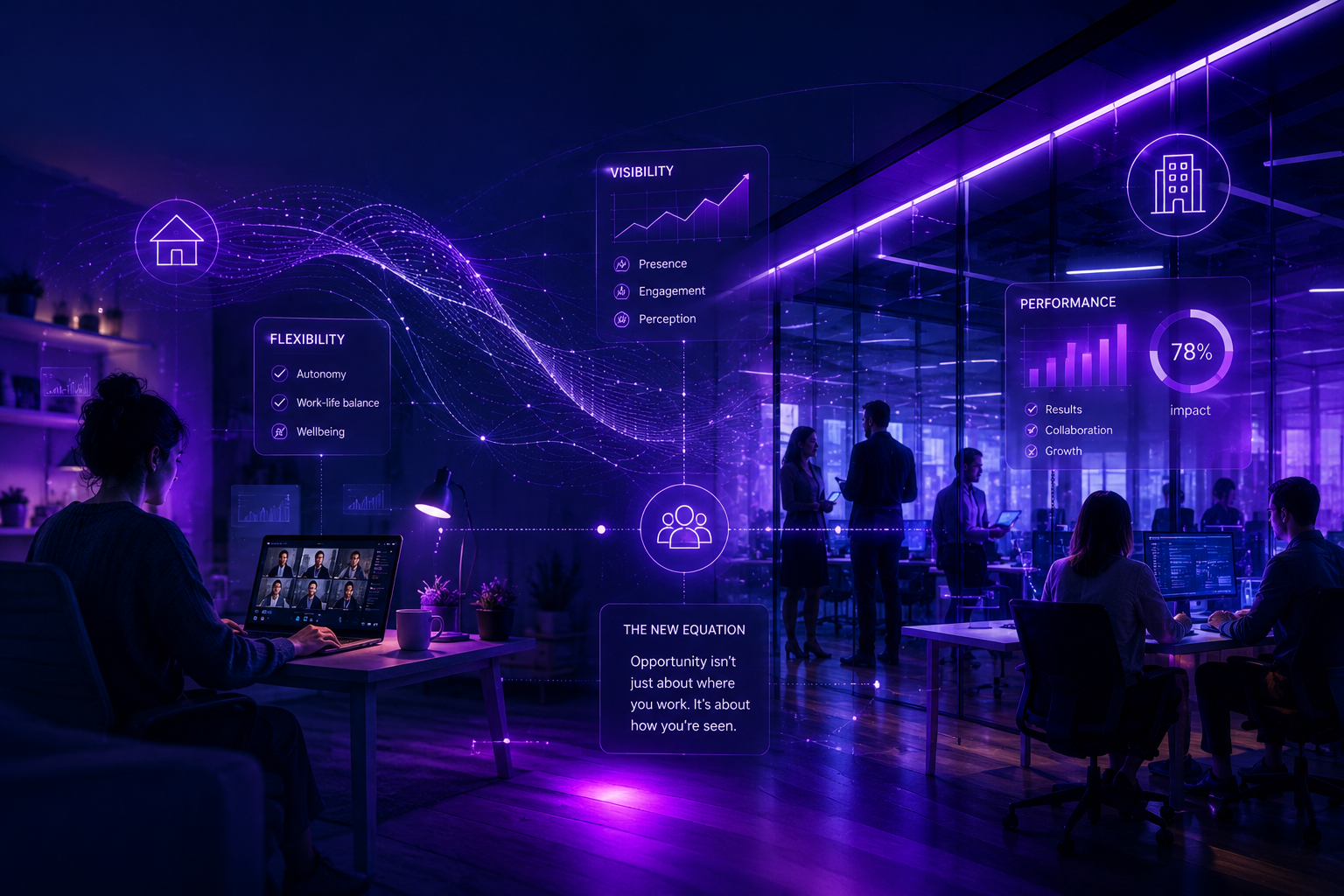
As return-to-office incentives evolve, organisations are rethinking visibility, performance and fairness in hybrid work environments.

Tech may be constantly shifting, but TDP recruiters know how to chart the path to the right talent.
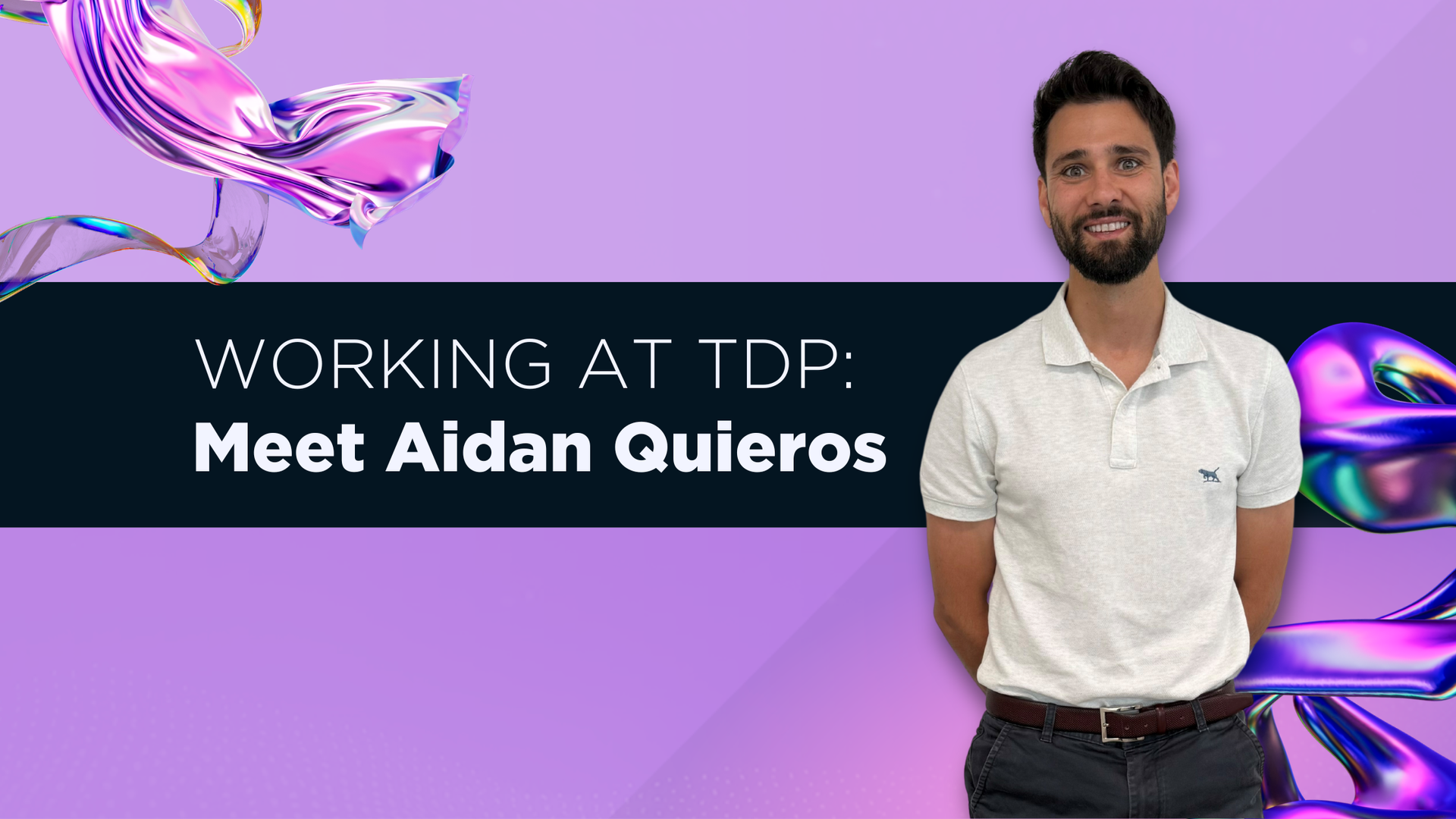
What does working at Tech and Data People actually look like day to day? We asked Aidan to share his experience - what stood out, how he’s grown and what it takes to build momentum here. It’s a straightforward look at the environment, expectations and opportunities that shape a career at TDP . 1. What attracted you to Tech & Data People in the first place? I was immediately drawn to Tech & Data People because of the clear growth trajectory the business offers. It’s an environment where ambition is encouraged, development is prioritised and there’s a genuine opportunity to make a long-term impact. The combination of a strong vision and a supportive leadership team made it an easy decision. 2. What surprised you most once you started? Nothing in particular surprised me, but I was genuinely impressed by how supportive and collaborative the environment is. The office culture, along with the connection to our sister organisations - Design & Build and Public Sector People - creates a network of people who are welcoming, engaged and always willing to help. It’s a place where you feel part of something bigger from day one. 3. How would you describe the culture at TDP in three words - and why? Autonomy – You’re trusted to take ownership of your work and shape your own success. Trust – Leadership empowers you to make decisions and manage your desk with confidence. Care – There’s a genuine focus on people, both professionally and personally, which creates a healthy and motivating environment 4. What does a “good week” look like for you here? A good week is one where I’m actively picking up new roles, uncovering fresh leads, engaging candidates, scheduling interviews, and ultimately closing deals. It’s a balance of momentum, productivity and meaningful progress across my pipeline. 5. How does TDP support your growth as a consultant? TDP supports growth through a blend of autonomy, trust and care. I’m given the freedom to run my desk, the confidence from leadership to make decisions, and the personal support needed to continue developing both my skills and my career. It’s a structure that encourages independence while ensuring you’re never on your own. Our Head of People Development, Leanne Kemp , does a great job at keeping our knowledge and processes up to date too! 6. What’s different about recruiting in tech at TDP compared to other environments you’ve worked in? The biggest difference is the level of autonomy and trust. I’m empowered to do my job without unnecessary constraints, and leadership genuinely believes in my capability. Beyond that, the care extends well beyond the boardroom. There’s a real interest in my wellbeing and success outside of work, which ultimately strengthens my performance within it. 7. How would you describe the expectations here? Expectations are clear, transparent and aligned with the company’s broader goals. You always know what success looks like, and you’re given the tools and support to achieve it. 8. Who thrives at TDP? What Would you say to someone considering joining? People who are self-driven, resilient and eager to grow tend to excel here. Those who value autonomy, embrace accountability and enjoy being part of a collaborative team environment will find TDP a place where they can truly thrive. If you’re looking for genuine growth opportunities and a place that invests in your development, TDP is absolutely worth it.

How many “unicorn” hires has your team lost in the past year? You know the type: the mythical full-stack engineer who codes, designs, manages projects AND mentors juniors - all without breaking a sweat. Companies spend months hunting for these elusive candidates, convinced that landing one will solve every team problem. Here’s the hard truth: unicorns are rare and chasing them often slows hiring, burns out teams and leaves critical projects stalled. Instead of relying on a single superstar, the smartest tech teams focus on building scalable, resilient teams. The kind where collaboration and complementary skills do the heavy lifting.

The start of a new year is an opportunity to reflect, reassess and make intentional decisions about your career. For tech professionals, planning now can help you take advantage of opportunities, navigate emerging trends and advancing your career. This guide offers practical steps to help you consider, prepare and take confident action in the months ahead. Reflect on your career to date Review your achievements, projects and skills gained over the past year. Consider what worked well and what you’d like to change in your next role. Factor in responsibilities, team dynamics and company culture. Identify gaps in your knowledge or experience and set concrete goals to address them. Tip: Focus on showing how you apply your skills in real contexts. Link them to projects, roles and education to help hiring managers understand your impact. Suggesting clear examples and outcomes makes your profile stand out. Helpful resource: How to Highlight Skills on LinkedIn to Get Noticed (LinkedIn Business Talent Blog) provides tips on listing and structuring skills that attract recruiter attention. Understand the tech market Look at which areas of tech are hiring and in demand (e.g., data, cloud, cybersecurity). Track early hiring signals - new team expansions, company announcements, published salary guides or roles being filled quickly. Consider how your skillset aligns with market demand and where you could add unique value. Helpful resource: Stay up to date on tech hiring trends and market insights by following Tech & Data People on LinkedIn

The body content of your post goes here. To edit this text, click on it and delete this default text and start typing your own or paste your own from a different source.

As AI shifts from experimentation to enterprise, businesses are rethinking what roles truly drive value. Discover how the next wave of AI talent is turning data into decisions.
All content copyrighted | Privacy Policy | Cookie Policy | T&Cs | Powered with 💙 by Shazamme