Blogs
7 Things Every Technology Job Description Needs

A great technology job description does more than list responsibilities and technical requirements. It helps the right candidates understand the opportunity, see where their skills fit and decide whether the role is worth pursuing.
In a competitive technology talent market, getting your job description right can make a significant difference to the quality of candidates you attract and how quickly you fill the role. Here are seven things every technology job description should include.
1. Start with the problem you're hiring someone to solve
One of the most common mistakes in technology job descriptions is focusing too heavily on tasks and responsibilities.
Instead, start with the business problem. What has created the need for this role? Is the organisation implementing a new platform? Scaling its cloud environment? Modernising legacy systems? Improving data capability? Delivering a transformation program?
Candidates want to understand what they will actually be responsible for achieving.
Instead of: "Responsible for developing and maintaining applications."
Try: "You'll help modernise our core applications as part of a broader digital transformation program, working closely with product and engineering teams to improve scalability, performance and customer experience."
The second version gives the candidate context, purpose and a clearer picture of the opportunity.
2. Separate must-have skills from nice-to-have skills
Technology job descriptions can quickly become a wish list. Employers may ask for years of experience, multiple programming languages, several platforms, industry experience, specific certifications and a long list of tools...all for one role.
The problem? Your ideal candidate may not exist. Before publishing the role, identify the capabilities that are genuinely essential to success. A more focused brief can open the talent pool without compromising the quality of your shortlist.
Ask:
- What does this person need to be able to do from day one?
- Which technical skills are genuinely non-negotiable?
- Which skills could be developed once they join?
- Are we asking for experience with a specific tool when transferable experience would work?
- Would we reject an otherwise strong candidate because they don't meet one requirement?
3. Be specific about the technology environment
Technology professionals want to know what they will actually be working with. Rather than simply saying "strong technical skills required", provide useful detail about the environment.
Depending on the role, this could include:
- Technology stack
- Cloud environment
- Platforms and applications
- Programming languages
- Data architecture
- Development methodology
- DevOps practices
- Security environment
- Transformation projects underway
You don't need to list every technology used across the organisation. Focus on the technologies that are relevant to the role and its objectives.
4. Explain what success looks like
A strong technology job description should help a candidate understand what success looks like beyond simply completing their responsibilities. Consider including three or four outcomes for the first 6–12 months.
For example:
In your first six months, you will:
- Lead the migration of key workloads to the cloud
- Improve platform reliability and performance
- Establish improved monitoring and reporting
- Partner with internal stakeholders to define the next phase of the technology roadmap
This gives experienced candidates something tangible to assess themselves against and helps employers attract people who are motivated by outcomes rather than simply a list of tasks.
5. Sell the opportunity, not just the organisation
The best technology professionals are evaluating the opportunity too. A job description should answer the question:
"Why would I want to do this job?"
Think beyond generic statements about being a "fast-growing organisation" or having a "great culture".
Talk about what is genuinely interesting about the role. The more specific you can be, the more compelling the opportunity becomes.
- Is there a major transformation underway?
- Will they have the opportunity to introduce new technology?
- Will they work with modern platforms?
- Will they have genuine influence over architecture or strategy?
- Is there a clear pathway into leadership?
- Will they work closely with senior stakeholders?
- Is the organisation investing in technology?
6. Don't make the interview process a mystery
While this doesn't always sit within the job description itself, being transparent about the hiring process can significantly improve the candidate experience.
If there are three stages, say so.
If the role involves a technical assessment, explain what candidates can expect.
If the hiring manager wants to meet shortlisted candidates within a particular timeframe, communicate that.
Technology professionals are often managing multiple opportunities at once. A clear and efficient hiring process can help employers remain competitive once they have attracted the right people.
7. Get the salary and flexibility conversation right
Salary and flexibility are increasingly important considerations for technology professionals.
If you can provide a salary range, do it.
It helps candidates assess whether the opportunity is relevant before investing time in the process and can reduce unnecessary conversations later.
The same applies to working arrangements.
Rather than simply stating "hybrid working", explain what that means.
For example:
"This role is based in Sydney with three days in the office and two days working remotely."
Specificity builds trust and gives candidates a realistic understanding of the opportunity.
A simple technology job description framework
Before publishing your next technology role, make sure your brief answers these questions:
The opportunity
What problem are we hiring this person to solve?
The impact
What will they be responsible for achieving?
The technology
What platforms, systems and technologies will they work with?
The essentials
Which skills and experience are genuinely required?
The environment
Who will they work with and where does the role sit within the organisation?
The opportunity
Why would a strong technology professional want this role?
The practical details
What are the salary, location, working arrangements and hiring process?
If you can answer all seven clearly, you're already much closer to a job description that attracts the right people.
A job description for tech based roles shouldn't try to describe your perfect candidate. It should clearly communicate the problem, opportunity, technology environment and outcomes so the right candidates can recognise themselves in the role. And if you're struggling to define the brief in the first place, that's often a sign that you need to go back a step. The strongest recruitment outcomes start with a clear understanding of what the business actually needs the person to achieve.
At TDP, we work with organisations across technology, data and transformation to understand those requirements and connect them with the specialist talent they need.
Need help defining or hiring for your next technology role? Talk to TDP.

The latest Cloud DevSecOps trends explained: how security, automation and collaboration are changing the way modern technology teams build and deliver software.

Why do employees leave despite counteroffers? Explore the real drivers behind tech talent retention, from career growth to leadership and culture.

As return-to-office incentives evolve, organisations are rethinking visibility, performance and fairness in hybrid work environments.

Tech may be constantly shifting, but TDP recruiters know how to chart the path to the right talent.
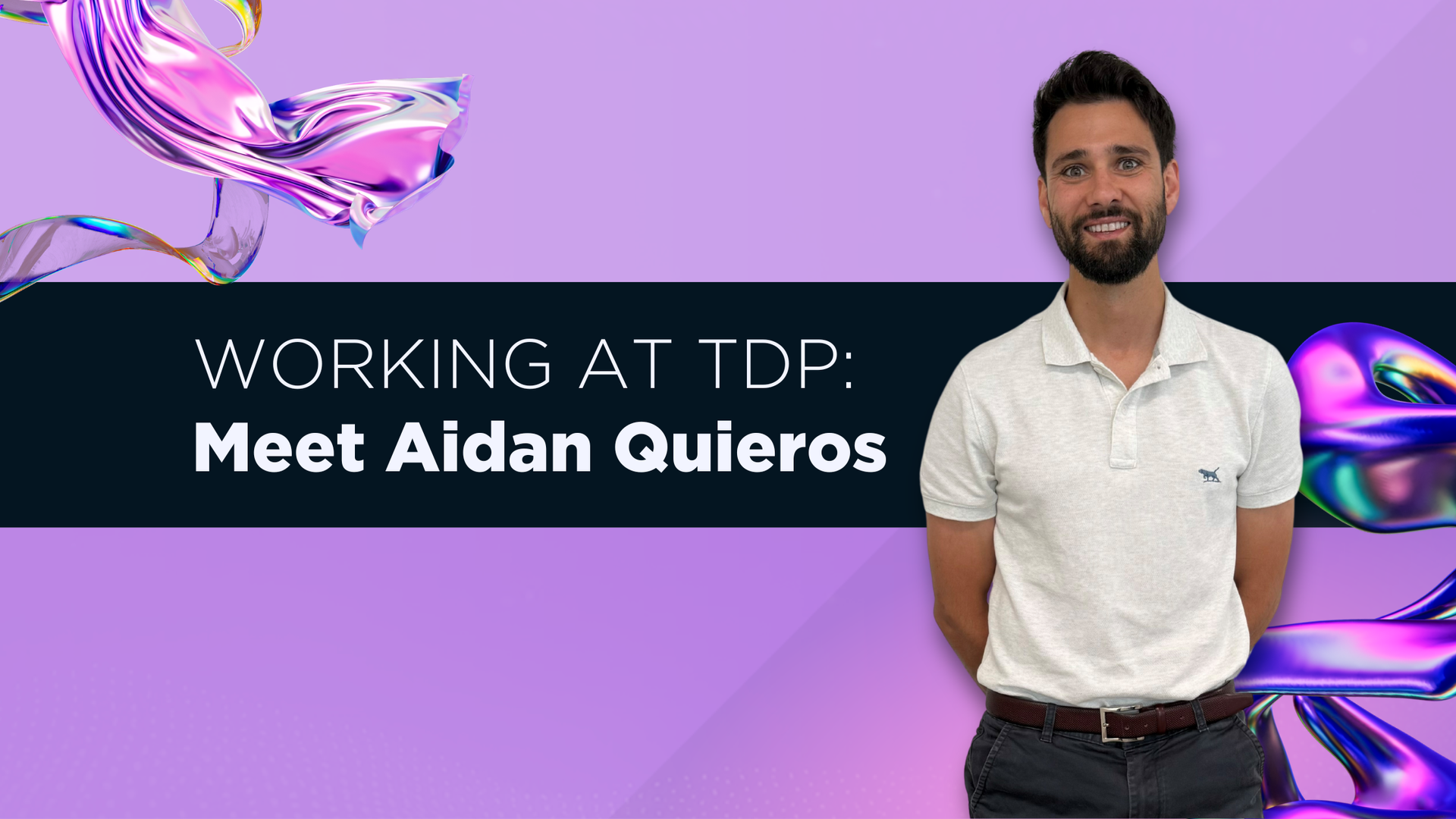
What does working at Tech and Data People actually look like day to day? We asked Aidan to share his experience - what stood out, how he’s grown and what it takes to build momentum here. It’s a straightforward look at the environment, expectations and opportunities that shape a career at TDP . 1. What attracted you to Tech & Data People in the first place? I was immediately drawn to Tech & Data People because of the clear growth trajectory the business offers. It’s an environment where ambition is encouraged, development is prioritised and there’s a genuine opportunity to make a long-term impact. The combination of a strong vision and a supportive leadership team made it an easy decision. 2. What surprised you most once you started? Nothing in particular surprised me, but I was genuinely impressed by how supportive and collaborative the environment is. The office culture, along with the connection to our sister organisations - Design & Build and Public Sector People - creates a network of people who are welcoming, engaged and always willing to help. It’s a place where you feel part of something bigger from day one. 3. How would you describe the culture at TDP in three words - and why? Autonomy – You’re trusted to take ownership of your work and shape your own success. Trust – Leadership empowers you to make decisions and manage your desk with confidence. Care – There’s a genuine focus on people, both professionally and personally, which creates a healthy and motivating environment 4. What does a “good week” look like for you here? A good week is one where I’m actively picking up new roles, uncovering fresh leads, engaging candidates, scheduling interviews, and ultimately closing deals. It’s a balance of momentum, productivity and meaningful progress across my pipeline. 5. How does TDP support your growth as a consultant? TDP supports growth through a blend of autonomy, trust and care. I’m given the freedom to run my desk, the confidence from leadership to make decisions, and the personal support needed to continue developing both my skills and my career. It’s a structure that encourages independence while ensuring you’re never on your own. Our Head of People Development, Leanne Kemp , does a great job at keeping our knowledge and processes up to date too! 6. What’s different about recruiting in tech at TDP compared to other environments you’ve worked in? The biggest difference is the level of autonomy and trust. I’m empowered to do my job without unnecessary constraints, and leadership genuinely believes in my capability. Beyond that, the care extends well beyond the boardroom. There’s a real interest in my wellbeing and success outside of work, which ultimately strengthens my performance within it. 7. How would you describe the expectations here? Expectations are clear, transparent and aligned with the company’s broader goals. You always know what success looks like, and you’re given the tools and support to achieve it. 8. Who thrives at TDP? What Would you say to someone considering joining? People who are self-driven, resilient and eager to grow tend to excel here. Those who value autonomy, embrace accountability and enjoy being part of a collaborative team environment will find TDP a place where they can truly thrive. If you’re looking for genuine growth opportunities and a place that invests in your development, TDP is absolutely worth it.

How many “unicorn” hires has your team lost in the past year? You know the type: the mythical full-stack engineer who codes, designs, manages projects AND mentors juniors - all without breaking a sweat. Companies spend months hunting for these elusive candidates, convinced that landing one will solve every team problem. Here’s the hard truth: unicorns are rare and chasing them often slows hiring, burns out teams and leaves critical projects stalled. Instead of relying on a single superstar, the smartest tech teams focus on building scalable, resilient teams. The kind where collaboration and complementary skills do the heavy lifting.

The start of a new year is an opportunity to reflect, reassess and make intentional decisions about your career. For tech professionals, planning now can help you take advantage of opportunities, navigate emerging trends and advancing your career. This guide offers practical steps to help you consider, prepare and take confident action in the months ahead. Reflect on your career to date Review your achievements, projects and skills gained over the past year. Consider what worked well and what you’d like to change in your next role. Factor in responsibilities, team dynamics and company culture. Identify gaps in your knowledge or experience and set concrete goals to address them. Tip: Focus on showing how you apply your skills in real contexts. Link them to projects, roles and education to help hiring managers understand your impact. Suggesting clear examples and outcomes makes your profile stand out. Helpful resource: How to Highlight Skills on LinkedIn to Get Noticed (LinkedIn Business Talent Blog) provides tips on listing and structuring skills that attract recruiter attention. Understand the tech market Look at which areas of tech are hiring and in demand (e.g., data, cloud, cybersecurity). Track early hiring signals - new team expansions, company announcements, published salary guides or roles being filled quickly. Consider how your skillset aligns with market demand and where you could add unique value. Helpful resource: Stay up to date on tech hiring trends and market insights by following Tech & Data People on LinkedIn

The body content of your post goes here. To edit this text, click on it and delete this default text and start typing your own or paste your own from a different source.

As AI shifts from experimentation to enterprise, businesses are rethinking what roles truly drive value. Discover how the next wave of AI talent is turning data into decisions.

Explore why neurodiversity matters in tech, how different ways of thinking strengthen teams and practical strategies for building inclusive, high-performing data and tech teams.
All content copyrighted | Privacy Policy | Cookie Policy | T&Cs | Powered with 💙 by Shazamme